Why Limit Happy to an Hour: A Designer's Take
As someone who spends more time than I'd like to admit staring at digitized files and thread charts, I approach new designs with a mix of excitement and skepticism. When I first pulled up the Why Limit Happy to an Hour design by Caty Catherine, my initial reaction was a chuckle. It is one of those phrases that instantly sets a tone—relaxed, slightly rebellious, and undeniably fun. But as an embroidery product reviewer, my job isn't just to laugh at the quote; it is to determine if this digital embroidery file holds up when translated into actual thread on fabric. Does it work for a high-end boutique sweatshirt, or is it better suited for a casual kitchen towel? Let's dig into the practical realities of using this asset in real-world projects.
The Vibe and Visual Personality
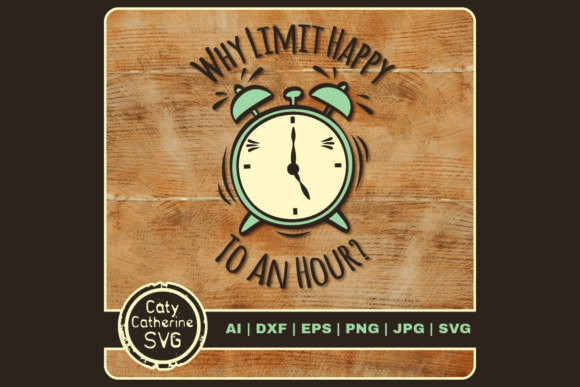
The first thing you notice about Why Limit Happy to an Hour is its mood. It screams "happy hour," but with a wink that suggests the celebration could last all day. Visually, the layout appears balanced, likely featuring a mix of script and sans-serif fonts to create contrast—a common technique in modern Crafts and Graphics to keep text readable yet stylish. For an embroidery designer, this combination presents both an opportunity and a challenge. Script fonts often require careful attention to stitch density and connecting ties to prevent breakage, while block letters need clean edges to avoid looking bulky.
This design feels naturally at home in the realm of custom apparel. I can immediately picture it stitched onto a heather grey crewneck or a canvas tote bag design. The personality of the quote suggests it belongs on items meant for leisure, social gatherings, or personal expression. It is not a formal monogram; it is a conversation starter. When evaluating the visual appeal, I look for how the shapes flow together. If the spacing is too tight, the satin stitch columns might merge into a blob after washing. If too loose, the design loses its cohesion. Based on the preview, this file seems to strike a decent balance, making it a strong candidate for handmade product lines targeting young adults or gift shoppers.
Real-World Application Scenarios
Let's move from theory to practice. Imagine you are preparing a custom order for a client who runs a small brunch spot. They want branded aprons for their staff. Why Limit Happy to an Hour would be perfect here, stitched in white or cream thread against a navy or chocolate brown apron. The contrast would make the text pop, reinforcing the brand's laid-back atmosphere. Alternatively, consider the Etsy seller looking to expand their holiday catalog. This design could easily be adapted for holiday embroidery projects, perhaps paired with a graphic of a cocktail glass or festive confetti, creating a unique gift for hostesses.
I also see potential in the embroidered patch market. Patches are trending, and a witty quote like this works well on denim jackets or backpacks. However, patches require a different approach to backing and border stitching compared to direct-to-garment embroidery. If you are selling this as a small shop product, you must ensure the outer edges of the design are digitized with a proper merrow border or a tight satin column to prevent fraying over time. For those creating printable mockup assets to sell alongside the physical goods, this design offers great versatility. Its clear typography translates well into digital previews, helping customers visualize the finished product before they buy.
Navigating Fabric and Hoop Constraints
While the design has charm, we must discuss where it might struggle. Not every surface is created equal. If you attempt to stitch Why Limit Happy to an Hour on a textured fabric like a waffle knit or a rough linen, the finer details of the lettering might get lost. The fabric texture can interfere with the running stitch outlines or small fill areas, making the text look jagged. Similarly, stretchy fabrics like jersey knits require a robust stabilizer strategy. Without proper hooping and stabilization, the movement of the fabric during stitching can distort the letters, turning a crisp message into a wavy mess.
Curved surfaces present another hurdle. Placing this design on a cap or a curved mug requires specific digitizing adjustments that standard flat files often lack. If the original file wasn't specifically pushed or pulled for curvature, the text may appear skewed once applied. Furthermore, pay close attention to the hoop size. If the design is large, it might not fit in a standard 4x4 hoop, necessitating a re-hoop or a larger machine frame. Always check the dimensions provided in the file description before committing to a project involving small hoops or limited workspace.
Commercial Viability and Quality Control
For the craft business owner, consistency is key to building customer trust. Using a design like Why Limit Happy to an Hour can enhance your brand consistency if it aligns with your aesthetic. However, you must verify the licensing terms. Just because you purchase a digital embroidery file does not automatically grant you the right to sell unlimited physical goods or redistribute the file itself. Review the license from Caty Catherine carefully to ensure you are compliant for commercial embroidery use.
Quality control steps are non-negotiable. Before stitching a batch of twenty sweatshirts, always test the design on scrap fabric of the same weight and type. Check the thread colors against your intended background. A black thread on a dark green shirt might look sophisticated in a mockup but disappear entirely in real life. Inspect the small details: are there any jump stitches that need trimming? Is the fill stitch too dense, causing the fabric to pucker? These are the questions that separate amateur results from professional design assets.
Final Verdict for Makers
In conclusion, Why Limit Happy to an Hour is a spirited addition to any designer's library. It excels in contexts that value humor and relaxation, such as personalized gift items, barware accessories, and casual wear. Its success, however, depends entirely on the execution. By respecting the limitations of fabric types, utilizing the correct stabilizers, and verifying commercial rights, you can turn this simple quote into a best-selling item. Whether you are a hobbyist making gifts for friends or an Etsy seller scaling up production, treat this file as a versatile tool—but one that demands respect for the mechanics of embroidery. With the right preparation, this design can definitely make your customers happy, regardless of the hour.