Who Fired the Maid: A Designer's Take on This Funny Quote
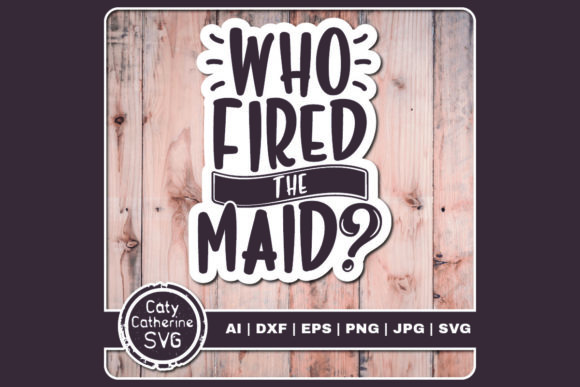
As someone who spends more time staring at stitch maps than most people spend watching television, I approach every new machine embroidery design with a mix of optimism and skepticism. When I first pulled up the file for Who Fired the Maid Funny Cleaning Quote, my initial reaction wasn't just about the humor—it was about the potential. In the world of Crafts and Graphics, a funny quote is only as good as its execution on fabric. Does the text flow? Is the font legible once stitched out? Will it hold up after three washes? These are the questions that separate a hobbyist project from a viable product for an Etsy seller or a boutique owner.
The mood this design creates is immediate and lighthearted. It taps into that universal feeling of household chaos that every parent, partner, and solo dweller knows too well. Visually, the layout feels balanced, with a personality that suggests it belongs on items meant to be seen and smiled at. It's not overly ornate, which is a plus. Often, complex backgrounds in quote designs get lost in the texture of a towel or the nap of a sweatshirt. This design keeps the focus squarely on the message, making it a strong candidate for projects where clarity is king.
Real-World Application: The Apron Test
To truly evaluate this embroidery file, I imagined a specific real-life scenario: creating a custom gift for a friend who just moved into their first home. They love to cook but hate to clean. The obvious choice was a high-quality linen apron. This is where the rubber meets the road for any digital embroidery file.
When visualizing Who Fired the Maid Funny Cleaning Quote on an apron, the placement is critical. A central chest placement works best here, allowing the text to breathe without competing with pockets or ties. The humor lands perfectly in a kitchen setting, transforming a utilitarian garment into a conversation starter at dinner parties. But beyond the joke, I had to consider the finished product. Would the stitching look professional? If I were selling this as a small shop product, would a customer feel they got their money's worth? The answer lies in how the design handles the transition from screen to thread.
This design shines in contexts like custom apparel and home goods. Imagine it on a canvas tote bag design for grocery runs, or perhaps as sweatshirt embroidery for a lazy Sunday. It also has potential as a personalized gift for new homeowners or even a quirky addition to holiday embroidery collections for hostesses. The versatility is there, but it requires the maker to choose the right substrate.
Navigating Fabric and Stitch Challenges
While the concept is solid, practical application demands we talk about limitations. Not every surface is ready for this design. If you are working with textured fabrics like heavy waffle weave or looped terry cloth, the finer details of the lettering might get swallowed up. In those cases, the stitch density becomes a crucial factor. If the design relies heavily on fill stitch areas, it could become stiff and uncomfortable on wearable items.
I would advise caution when using this on stretchy fabric or thin materials like lightweight rayon shirts. Without the proper stabilizer, the text could pucker, ruining the clean lines of the quote. For curved surfaces like caps or hats, the horizontal layout of the text might distort if the hoop size isn't managed correctly or if the fabric tension isn't perfect. Always test on scrap fabric first. This isn't just good advice; it's mandatory for maintaining your reputation as a serious creator.
Another consideration is color contrast. On dark fabrics, you will need to ensure your thread colors pop enough to make the text readable. A light gray thread on a navy blue sweatshirt might look sophisticated in a mockup but disappear in real life. Conversely, white thread on a white tea towel relies entirely on the texture of the satin stitch or running stitch to define the letters. Testing in black and white mockups before cutting a single thread can save you from costly mistakes.
Commercial Viability and Brand Consistency
For the craft business owner, the value of a design like Who Fired the Maid Funny Cleaning Quote extends beyond the laugh. It's about brand consistency and customer trust. If you specialize in witty, relatable home decor, this design fits seamlessly into your catalog. It reinforces your brand voice. However, if your shop focuses on elegant, monogrammed heirlooms, this might clash with your aesthetic.
When listing this as a handmade product or including it in a line of commercial embroidery goods, presentation is everything. High-quality printable mockup images are essential for online listings. Show the design on various items—a pillow cover, a kitchen towel, a tote—to help the buyer visualize the end result. This increases buyer engagement and reduces the likelihood of returns due to mismatched expectations.
It is also vital to address the licensing aspect. Since this is a Graphics product designed by Caty Catherine, you must confirm the license terms before selling finished items or digital products. Some designers allow unlimited commercial use for physical goods, while others restrict the sale of the digital file itself. Never assume; always check the documentation provided with the SVG, PNG, EPS, DXF, and JPG files to ensure you are compliant.
Final Verdict for Makers
In summary, Who Fired the Maid Funny Cleaning Quote is a spirited addition to any designer's library. It offers a blend of humor and simplicity that works well for baby embroidery (perhaps for a onesie joking about the baby making the mess), embroidered patch creations, or general home decor. Its strength lies in its readability and relatable theme.
However, success depends on the maker's attention to detail. Respect the hoop size limitations, choose your fabric texture wisely, and never skip the test stitch. Whether you are an experienced decorator or a hobbyist looking to make a unique wedding gift or nursery decor piece, this design holds promise. Just remember, the difference between a good project and a great one often comes down to the preparation. Treat this file with the care it deserves, and it will reward you with a finished product that brings joy to whoever wears or uses it.