Mermaid at Heart: A Designer's Review for Embroidery
As a designer who spends more time staring at stitch maps than most people spend watching television, I approach every new machine embroidery design with a mix of curiosity and skepticism. We've all been there: you download a file that looks perfect on the screen, only to find out it's a tangled mess of underlay or impossible to digitize cleanly for production. Recently, I got my hands on the "Mermaid at Heart Mermaid Love Heart" graphic by Caty Catherine to evaluate its potential for real-world embroidery projects. While this is sold primarily as a Graphics asset in the Crafts category, my job is to look past the pretty preview and determine if it holds up when thread hits fabric.
First Impressions: Mood and Visual Personality
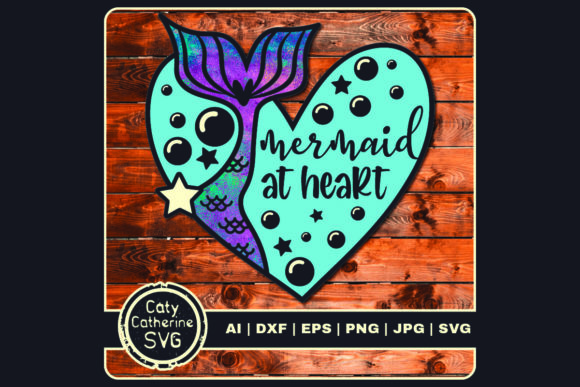
The first thing that strikes me about the Mermaid at Heart Mermaid Love Heart concept is its playful yet sentimental vibe. It bridges the gap between whimsical ocean themes and universal expressions of love, making it incredibly versatile. The layout typically features a heart motif intertwined with mermaid elements—perhaps a tail, scales, or a silhouette. For an embroiderer, the immediate question is how these shapes translate into stitches. Does the design rely on fine lines that might get lost, or does it have bold areas suitable for fill stitch and satin stitch work?
Visually, the design feels right at home in the current trend of "coastal grandma" meets modern boho. It has a softness to it that suggests it would look beautiful on lighter fabrics, but the strong central shape of the heart gives it enough weight to stand out on darker materials too. As a reviewer, I appreciate designs that don't try to do too much; this one seems to focus on a clear, recognizable silhouette, which is crucial for maintaining clarity in a stitched finished product.
Real-World Application: From Screen to Stitch
To truly test the viability of this design, I imagined a specific scenario: a custom order for a local boutique specializing in beach-themed baby showers. The client wanted a set of personalized burp cloths and a oversized sweatshirt for the mom-to-be. This is where the Mermaid at Heart Mermaid Love Heart shines. Because the theme is gender-neutral enough for any ocean lover but specific enough to feel special, it fits perfectly into the baby embroidery niche.
For the sweatshirt, the design would likely serve as a chest logo or a small back print. The heart element provides a natural focal point for thread colors like coral, teal, or soft gold. If you are an Etsy seller looking to expand your custom apparel line, this graphic offers a ready-made solution that doesn't require hours of custom digitizing from scratch. You can take the SVG or EPS file provided in the package, import it into your embroidery software, and assign stitch types. The simplicity of the shape means it converts well into an applique design if you want to add texture with fabric layers, or it can be rendered entirely in thread for a flatter, cleaner look.
I also see strong potential for this design in the tote bag design market. Canvas bags are sturdy enough to handle the density of a heart-shaped fill, and the mermaid theme appeals to the same demographic that buys reusable grocery bags and library totes. Whether used for a holiday gift or everyday merchandise, the visual appeal translates well to larger hoop sizes, allowing for detailed scaling without losing the integrity of the image.
Technical Considerations and Fabric Challenges
However, no design is without its challenges, and a professional review must address where things could go wrong. When working with the Mermaid at Heart Mermaid Love Heart, attention must be paid to stitch density. If you are converting this graphic yourself, be careful not to make the fill too dense, especially if you plan to use it on stretchy fabrics like jersey knits or thin cottons. High density can cause puckering, ruining the smooth curve of the heart and the flow of the mermaid tail.
Another critical factor is the hoop size. While the design is scalable, shrinking it too much for a small cap or a tiny pocket on a child's shirt might result in lost details. Tiny lettering or intricate scale patterns within the mermaid element could turn into a blob of thread if the resolution isn't high enough. I always recommend testing the design on scrap fabric first. Try it on a textured towel versus a smooth polo shirt to see how the fabric texture interacts with the stitches. On looped towels, for instance, a running stitch outline might sink in, whereas a wider satin column would sit nicely on top.
If you are planning to use this on dark fabric, remember that the original graphic might need color adjustments. A light-colored heart on a navy background needs sufficient underlay to prevent the dark fabric from showing through the stitches. This is a common oversight for hobbyists but a mandatory step for anyone running a craft business where consistency is key.
Enhancing Brand Value and Customer Trust
From a business perspective, using a cohesive design like Mermaid at Heart Mermaid Love Heart can significantly boost your brand's perceived value. Customers trust handmade items that look professional, and nothing screams "amateur" faster than poorly executed details. By ensuring your stitch-out is crisp and the colors are vibrant, you elevate a simple graphic into a premium personalized gift.
This design also works exceptionally well for creating printable mockups before you even stitch a single thread. Since the package includes transparent PNGs and JPGs, you can easily place the image on digital photos of t-shirts, pillows, or aprons to show clients exactly what their small shop product will look like. This visual confirmation builds buyer engagement and reduces the likelihood of returns due to mismatched expectations.
Practical Notes for the Embroiderer
Before you commit to a full production run, here are a few practical steps I recommend:
- Check Licensing: Always verify the license terms provided by Caty Catherine. Ensure you are allowed to use the design for commercial purposes if you intend to sell finished items or digital products.
- Stabilizer Selection: Match your stabilizer to your fabric. Cut-away is usually best for knits to prevent distortion, while tear-away works for stable wovens like quilting cotton.
- Color Contrast: Test the design in black and white mockups first. If the design loses its definition without color, you may need to adjust the stitch directions or add outlining.
- File Formats: The package offers SVG, PNG, EPS, DXF, JPG, and AI. Remember that these are vector or image files, not native embroidery files (like .PES or .DST). You will need to digitize them or use auto-digitizing software, so inspect the vectors for closed paths and clean nodes.
- Wash Testing: If the final product is intended for frequent washing, like a kitchen towel or baby bib, wash your test sample multiple times to ensure the threads don't fray or the fabric doesn't pucker over time.
In conclusion, the Mermaid at Heart Mermaid Love Heart is a charming addition to any designer's library. It balances aesthetic appeal with structural simplicity, making it a strong candidate for everything from embroidered patches to large-scale wall art. With careful attention to digitizing settings and material choices, it can become a staple in your portfolio of commercial embroidery assets. Whether you are a seasoned pro or a passionate maker, this design offers a solid foundation for creating memorable, high-quality goods that resonate with customers who love the sea and heartfelt messages.