Kiss the Cook: A Designer's Review for Embroidery Projects
As someone who spends hours digitizing, stitching, and critiquing designs for client work, I approach every new machine embroidery design with a mix of curiosity and skepticism. When I first pulled up the Kiss the Cook file, designed by Caty Catherine, my initial reaction was one of immediate recognition. This isn't just another generic kitchen quote; it carries a playful, retro vibe that fits perfectly into the current trend of whimsical home decor and personalized apparel. However, liking a graphic on a screen is very different from trusting it to run smoothly on a multi-needle machine or a single-needle home unit. Today, I'm breaking down how this Graphics asset translates from a digital embroidery file to a tangible, stitched reality.
First Impressions and Visual Personality
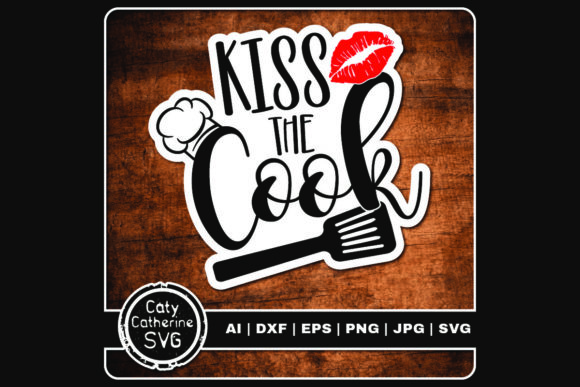
The mood of Kiss the Cook is undeniably cheerful. The typography suggests a hand-lettered aesthetic, which is crucial for modern crafters who want their handmade product lines to feel organic rather than industrial. For an embroidery project, the shape and layout are the first things I analyze. The text flows well, avoiding awkward gaps that often plague quote-based designs. The visual personality here leans heavily into the "funny kitchen cookery" theme, making it an ideal candidate for items meant to spark conversation.
When evaluating the detail level, I look for potential trouble spots. In many similar designs found in the Crafts category, tiny serifs or overly tight kerning can cause thread breaks or bird nests. With Kiss the Cook, the letter spacing appears generous enough to accommodate standard thread colors without merging, provided the digitizing matches the visual clarity of the SVG preview. The design feels balanced, suggesting it was created with an understanding of how stitches behave, not just how vectors look.
Real-World Application: The Apron Scenario
To truly test the viability of this design, I imagined a specific real-life scenario: a custom order for a local boutique needing a set of embroidered aprons for a holiday promotion. The client wanted something durable yet charming. Kiss the Cook immediately came to mind as the perfect fit. Unlike complex applique design options that require multiple fabric cuts and extensive finishing, this quote-style graphic offers a cleaner production workflow.
If I were stitching this onto a cotton twill apron, the result would likely be crisp and professional. The phrase acts as a central focal point, drawing the eye without overwhelming the garment. For Etsy sellers or small shop product creators, this kind of versatility is gold. It works equally well on a tote bag design for grocery runs or as a sweatshirt embroidery piece for a cozy cooking club uniform. The adaptability of the design means you aren't limited to one niche; it bridges the gap between functional kitchen gear and fashionable custom apparel.
Navigating Fabric Textures and Hoop Constraints
While the design shines on flat, stable fabrics like canvas or denim, caution is required when moving to trickier materials. If you plan to use Kiss the Cook on a stretchy knit for a baby embroidery project, such as a onesie or bib, you must pay close attention to your stabilizer choice. The density of the fill areas—if the final embroidery version mimics the solid look of the SVG—could cause puckering on thin fabrics if not properly supported.
Furthermore, consider the hoop size. While the design looks compact, adding a decorative border or integrating it into a larger motif might push the limits of a standard 4x4 hoop. For curved surfaces like caps, the arch of the text would need careful alignment to ensure it doesn't distort visually once stitched. I always recommend testing the design on scrap fabric that matches your final fabric texture. This simple step reveals whether the stitch density is too high for delicate linens or if the running stitch outlines hold up under tension.
Commercial Viability and Brand Consistency
For commercial embroidery professionals and digital product sellers, the value of a design lies in its ability to enhance brand perception. Using Kiss the Cook consistently across a line of products—say, matching tea towels and oven mitts—creates a cohesive collection that boosts buyer engagement. Customers trust products that look professionally finished. A clean stitch-out with good thread color contrast signals quality, whereas a messy, poorly scaled design can damage a craft business's reputation.
This design also serves well for printable mockup creation. Before committing to physical inventory, you can use the included PNG or JPG files to create realistic previews for your online store. This helps gauge customer interest in specific colorways or product pairings. Whether you are selling the finished embroidered patch or the digital file itself, the professional presentation of the source art matters immensely.
Practical Notes for the Studio
Before running a full production batch of Kiss the Cook, here are my top recommendations for ensuring success:
- Test First: Always stitch a sample on scrap material identical to your final product to check for registration issues.
- Color Contrast: Review how the design looks in black and white mockups to ensure the lettering remains legible regardless of thread choice.
- Stabilizer Selection: Match your stabilizer weight to the fabric; heavier cut-away stabilizers are often safer for dense text designs on garments that will be washed frequently.
- Detail Inspection: Zoom in on the smallest letters. If the digitized version has tiny jumps or excessive trims, you may need to adjust settings or simplify the stitch path.
- Licensing Check: Since this is a design by Caty Catherine available in formats like SVG, EPS, and DXF, confirm the specific licensing terms before selling finished items or redistributing the design assets.
It is important to note that while the product description lists formats like SVG, Transparent PNG, EPS, DXF, JPG, and AI, it does not explicitly state the stitch count or specific machine compatibility for an embroidery-ready version. If you are purchasing this primarily for machine embroidery, ensure you have the appropriate digitized file (.PES, .DST, etc.) or the skills to digitize the vector shapes yourself. Relying solely on cut files for embroidery without proper digitizing can lead to poor results.
Final Verdict on Stitching Clarity and Giftability
In the world of holiday embroidery and personalized gifts, Kiss the Cook stands out as a reliable choice. Its strength lies in its simplicity and universal appeal. It doesn't try to be too clever, which often dates a design, but instead opts for a timeless, humorous approach that resonates with home cooks and foodies alike. When executed with care, the finished product exudes a warmth that mass-produced items simply cannot match.
For the creative entrepreneurs and makers reading this, Kiss the Cook represents a low-risk, high-reward addition to your library. It invites experimentation with different satin stitch borders or mixed media techniques, such as combining it with fabric paint or appliqué elements. Just remember that the key to a successful project is respecting the limitations of your materials and machinery. By treating this design with the technical scrutiny it deserves, you can transform a simple digital graphic into a cherished heirloom or a best-selling shop item.